Pattern Monogram: A Versatile Design Element for Creative and Professional Applications
The Art of Pattern Monogram in Modern Design
Pattern Monogram has emerged as a powerful design element, offering versatility across various mediums. From digital backgrounds to physical textures, this intricate motif brings a sense of elegance and sophistication. Whether used in graphic design, interior decoration, or textile manufacturing, Pattern Monogram provides a seamless blend of aesthetics and functionality.
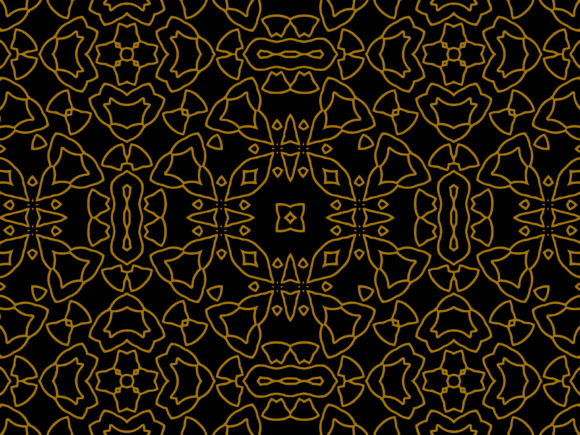
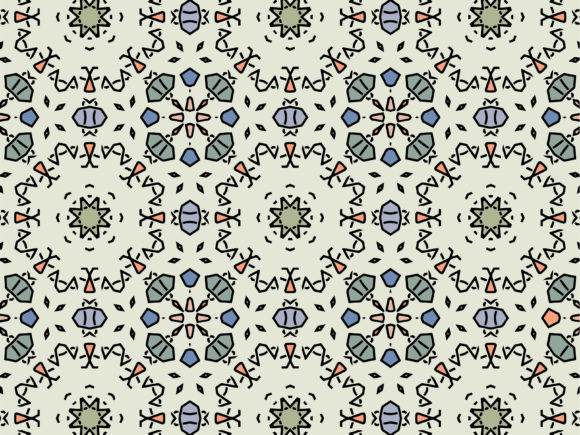
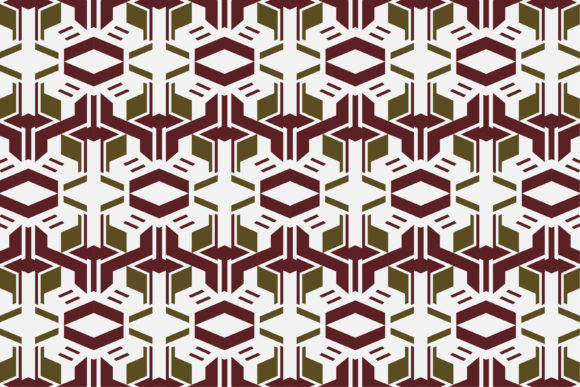
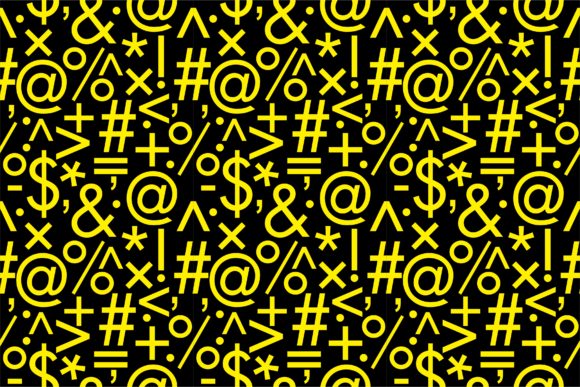
The essence of Pattern Monogram lies in its geometric and abstract nature. It combines repetitive shapes and lines to form a visually appealing pattern that can be scaled without losing clarity. This makes it ideal for use in wallpaper, fabric, and decorative elements where consistency is key.
Key Characteristics of Pattern Monogram
Pattern Monogram is defined by several key characteristics that set it apart from other design motifs:
- Repetition: The consistent repetition of shapes ensures a cohesive look across different applications.
- Geometric Precision: The use of precise angles and lines gives the pattern a structured appearance.
- Abstract Appeal: Despite its structure, the pattern retains an abstract quality that allows for creative interpretation.
- Seamless Integration: Designed to be used seamlessly, it avoids visible seams or disruptions when tiled.
These features make Pattern Monogram suitable for both digital and print formats. Its adaptability ensures that it remains relevant across various industries, from fashion to architecture.
Applications Across Different Industries
Pattern Monogram finds application in numerous fields due to its versatile nature. In the realm of digital design, it serves as a background for websites, mobile apps, and social media content. Its subtle yet engaging visual appeal enhances user experience without overwhelming the viewer.
In the field of interior design, Pattern Monogram is commonly used for wallpapers and decorative panels. It adds a touch of sophistication to living spaces, making it a popular choice among homeowners and designers alike. The ability to customize colors and scales allows for personalization to suit individual tastes and room themes.
Textile manufacturers also benefit from the use of Pattern Monogram. It can be woven into fabrics for clothing, upholstery, and home furnishings. The pattern's durability and clarity ensure that it maintains its integrity even after repeated washing and use.
Advantages of Using Pattern Monogram
One of the primary advantages of using Pattern Monogram is its ability to enhance visual appeal without being overly complex. Unlike more intricate designs, it strikes a balance between simplicity and sophistication. This makes it accessible to both professionals and hobbyists.
Another advantage is its scalability. Since the pattern is based on geometric shapes, it can be easily resized without compromising quality. This is particularly useful for digital applications where images need to be optimized for different screen sizes.
Additionally, Pattern Monogram offers a high degree of customization. Designers can modify the color palette, adjust the spacing between elements, and experiment with different layouts to create unique variations. This flexibility allows for endless creative possibilities.
Considerations When Using Pattern Monogram
While Pattern Monogram is highly versatile, there are certain considerations to keep in mind when incorporating it into a design project. One important factor is the context in which the pattern will be used. For example, a bold and intricate version may not be suitable for a minimalist website layout, whereas a simpler variant could work well in such a setting.
Color selection is another critical consideration. The choice of colors can significantly impact the overall aesthetic of the design. It is essential to choose colors that complement the surrounding elements and do not clash with the main content.
Lastly, the resolution and file format should be carefully chosen based on the intended use. High-resolution files are necessary for print applications, while compressed formats may be more suitable for web use. Ensuring that the pattern is compatible with the chosen software and tools is also crucial for smooth implementation.
Real-World Examples of Pattern Monogram Usage
Pattern Monogram has been successfully implemented in various real-world scenarios. For instance, in the fashion industry, it has been used to create eye-catching patterns on clothing items such as scarves, ties, and handbags. These patterns add a unique flair to the garments while maintaining a sense of elegance.
In the world of interior design, Pattern Monogram has been featured in high-end hotel lobbies and boutique stores. Its ability to create a cohesive visual theme makes it an excellent choice for creating a memorable ambiance.
Moreover, in the digital space, Pattern Monogram has been utilized as a background for e-commerce platforms and digital magazines. Its subtle presence allows the main content to remain the focal point while adding a layer of sophistication to the overall design.
Conclusion
Pattern Monogram stands out as a versatile and aesthetically pleasing design element that can be applied across a wide range of industries. Its geometric precision, abstract appeal, and seamless integration make it a valuable asset for both professional and personal projects. By understanding its characteristics, advantages, and potential applications, designers and creators can effectively leverage Pattern Monogram to enhance their work and achieve desired outcomes.