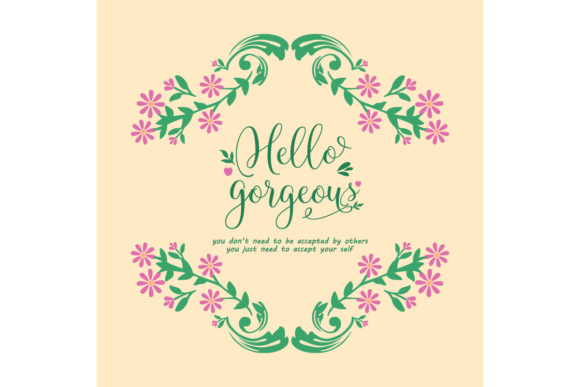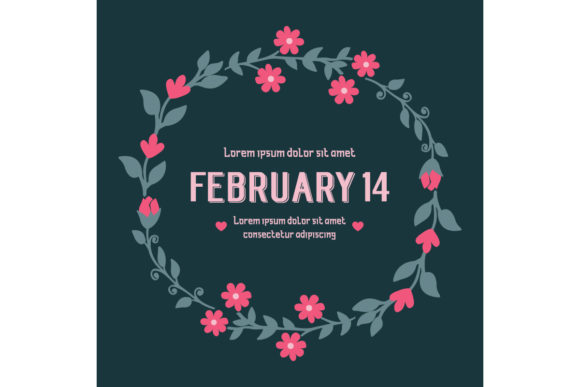
Cute 14 February Greeting Card Design: A Strategic Tool for Creative Communication
Cute 14 February Greeting Card Design is more than just a decorative element—it's a strategic communication tool that can enhance your brand, engage your audience, and support your creative goals. Whether you're designing for personal use, marketing, or professional branding, the thoughtful application of these designs can yield meaningful results.
Understanding the Value of Cute 14 February Greeting Card Design
Cute 14 February Greeting Card Design refers to visually appealing illustrations that incorporate elements like seamless leaves, flowers, and other organic motifs. These designs are often used in greeting cards, digital media, and promotional materials to convey warmth, appreciation, and creativity. When executed with intention, they serve as powerful visual anchors that resonate emotionally with audiences.
For professionals and marketers, these designs offer an opportunity to align brand messaging with aesthetic appeal. They can be used in campaigns, social media posts, or physical promotional items to create a cohesive and memorable experience for customers or clients.
Strategic Use Cases for Cute 14 February Greeting Card Design
- Brand Identity: Incorporating Cute 14 February Greeting Card Design into your brand visuals helps establish a consistent and recognizable identity. This is especially useful for businesses targeting younger demographics or those focused on lifestyle and wellness niches.
- Customer Engagement: Thoughtful design choices can increase engagement. For example, using these designs in email newsletters or social media content can make your message feel more personal and relatable.
- Event Marketing: During events such as Valentine’s Day, incorporating these designs into promotional materials can help create a festive and inviting atmosphere that encourages participation.
Planning Your Approach to Cute 14 February Greeting Card Design
Before relying on Cute 14 February Greeting Card Design, it's important to define clear objectives. Are you aiming to build brand awareness, drive sales, or simply express gratitude? Each goal will shape how you approach the design process.
Consider the following when planning your design strategy:
- Audience Alignment: Ensure that the design elements resonate with your target audience. If your audience prefers minimalist aesthetics, overloading the design with intricate floral patterns may not be effective.
- Contextual Relevance: Think about where and how the design will be used. A vector illustration might be ideal for digital use, while printed materials may require different considerations for texture and color accuracy.
- Consistency: Maintain consistency across all platforms. If you're using the same design in multiple formats, ensure that it scales well and remains visually coherent in each context.
Practical Examples of Implementation
Let’s say you’re a small business owner looking to launch a new product line around Valentine’s Day. You could use Cute 14 February Greeting Card Design to create packaging that stands out on store shelves. By integrating seamless leaves and flowers, you create a sense of natural beauty and elegance that appeals to your customer base.
Another example is using these designs in a digital marketing campaign. By embedding them in social media posts or website banners, you can create a cohesive theme that reinforces your brand message while also capturing attention through visual appeal.
Risks of Using Cute 14 February Greeting Card Design Without Strategy
While Cute 14 February Greeting Card Design offers many benefits, it's important to avoid using it without a clear purpose. Randomly applying these designs without considering context or audience can lead to confusion, dilution of brand identity, or even a lack of impact.
Overusing certain elements, such as excessive floral patterns, can result in cluttered visuals that distract from the core message. It's essential to balance creativity with clarity, ensuring that the design supports rather than overshadows your intended communication.
Guidance for Intentional Design Choices
To use Cute 14 February Greeting Card Design effectively, consider the following steps:
- Define Your Message: What do you want to communicate? Align your design choices with your key message to reinforce it visually.
- Choose Appropriate Elements: Select design elements that reflect your brand values and resonate with your audience. Seamless leaves and flowers are versatile but should be used in ways that add value, not just for decoration.
- Test and Refine: Experiment with different variations and gather feedback. This allows you to refine your approach based on real-world responses.
Long-Term Benefits of Strategic Design Integration
When integrated thoughtfully, Cute 14 February Greeting Card Design can contribute to long-term success by building emotional connections with your audience. These connections can translate into loyalty, repeat business, and positive word-of-mouth referrals.
Moreover, a well-planned design strategy can streamline your creative workflow, reduce rework, and ensure that your visual assets remain aligned with your brand's evolving identity over time.
Incorporating these designs into your operations requires careful consideration, but the payoff—both in terms of aesthetics and effectiveness—can be substantial.
Final Thoughts on Strategic Application
Cute 14 February Greeting Card Design is a valuable asset when used with purpose. It's not just about creating something visually appealing—it's about creating something that communicates clearly, resonates deeply, and supports your broader goals.
Whether you're a marketer, designer, or entrepreneur, taking a strategic approach to these designs can help you achieve better outcomes and make more informed decisions about your creative and business strategies.