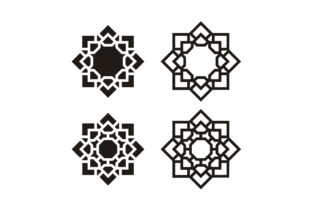
Islamic Stained Glass Pattern Mosaic Art
The intricate beauty of Islamic Stained Glass Pattern Mosaic Art has captivated artists, designers, and enthusiasts for centuries. This art form blends geometric precision with ornate design, creating visually stunning compositions that reflect the cultural and spiritual depth of Islamic heritage. Whether used in decorative design, graphic illustration, or textile patterns, these mosaics offer a timeless appeal that continues to inspire modern creativity.
Islamic stained glass is more than just an aesthetic choice; it represents a fusion of mathematics, symbolism, and craftsmanship. The use of abstract, arabesque, and floral motifs within geometric frameworks creates a sense of harmony and balance. These patterns are not only visually striking but also rich in meaning, often symbolizing unity, infinity, and divine order. For professionals in design, fashion, or interior decor, understanding the principles behind this art can open new creative possibilities.
Designing with Islamic Stained Glass Patterns
Incorporating Islamic stained glass patterns into modern design projects offers unique advantages. The repetitive yet complex nature of these patterns provides a versatile foundation for various applications, from logos and branding to home decor and textile prints. Their structured yet fluid appearance makes them ideal for both minimalist and ornate styles.
For example, a designer working on a luxury brand might use these patterns to create a signature motif that conveys elegance and tradition. Similarly, architects and interior designers can integrate stained glass elements into windows, tiles, or wall panels to add a touch of historical grandeur to contemporary spaces. The adaptability of these designs ensures they remain relevant across different industries and contexts.
Practical Applications in Modern Contexts
The versatility of Islamic stained glass pattern mosaic art extends beyond traditional settings. In the digital realm, vector files such as EPS 10 100 allow for seamless integration into graphic design workflows. Adobe Illustrator users can easily edit, resize, and customize these patterns to suit specific needs. This makes them particularly valuable for marketers, bloggers, and educators who seek to incorporate culturally rich visuals into their content without sacrificing quality or scalability.
These patterns are especially well-suited for backgrounds, borders, and frames in presentations, websites, and publications. Their intricate details can enhance visual storytelling while maintaining a cohesive design language. Additionally, the non-editable text feature in some files ensures that the integrity of the original design remains intact, making them reliable resources for professionals who require consistent branding elements.
For those interested in fashion or textile design, Islamic stained glass patterns can be adapted into fabric prints, embroidery designs, or even jewelry motifs. The interplay of light and shadow in stained glass translates beautifully into textures and colors, offering a dynamic visual experience that can elevate any product or space.
Who Can Benefit from Islamic Stained Glass Pattern Mosaic Art?
Professionals in diverse fields can find value in exploring Islamic stained glass patterns. Entrepreneurs looking to establish a unique brand identity may use these designs to craft memorable logos or packaging. Educators and publishers can incorporate these visuals into teaching materials or books to engage audiences with visually compelling content.
Freelancers and small business owners involved in interior design, event planning, or product development can leverage these patterns to create distinctive offerings that stand out in competitive markets. The ability to modify and repurpose these designs ensures flexibility, allowing creators to tailor them to specific client needs or project goals.
Even hobbyists and art enthusiasts can benefit from experimenting with Islamic stained glass patterns. Whether through digital illustration, hand-drawn sketches, or DIY crafts, these designs provide endless opportunities for creative expression. Their universal appeal makes them accessible to a wide range of skill levels and artistic preferences.
Considerations and Limitations
While Islamic stained glass patterns offer numerous benefits, it's important to consider their complexity when using them in design projects. The intricate details may require careful scaling and placement to maintain clarity, especially in smaller formats like logos or icons. Designers should also be mindful of color choices, as the vibrancy of stained glass can be challenging to replicate accurately in certain media.
Additionally, while these patterns are rooted in tradition, their application in modern contexts may require adaptation to align with current trends or audience expectations. It’s essential to strike a balance between honoring the original design and ensuring it resonates with contemporary viewers.
For those seeking to use EPS files, it's recommended to work with Adobe Illustrator or other advanced vector editing tools to fully utilize the potential of these designs. Understanding the structure and composition of the patterns can help avoid common pitfalls and ensure the final output meets professional standards.
Ultimately, Islamic stained glass pattern mosaic art represents a powerful blend of history, culture, and creativity. Its enduring appeal lies in its ability to inspire innovation while preserving the essence of a rich artistic tradition. Whether used in digital design, physical décor, or educational materials, these patterns continue to offer meaningful value to those who appreciate their beauty and significance.