Java Pattern Element in Graphic Design: Enhancing Visual Storytelling with Indonesian Batik
The Java Pattern Element, rooted in the rich cultural heritage of Indonesia, offers a unique blend of tradition and modern design. This intricate pattern, often associated with batik, is more than just an aesthetic choice—it's a powerful tool for graphic designers, marketers, and creative professionals looking to infuse their work with cultural depth and visual appeal.
Understanding Java Pattern Element and Its Cultural Significance
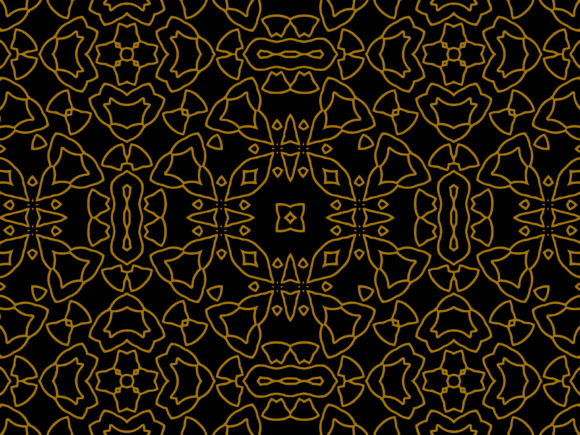
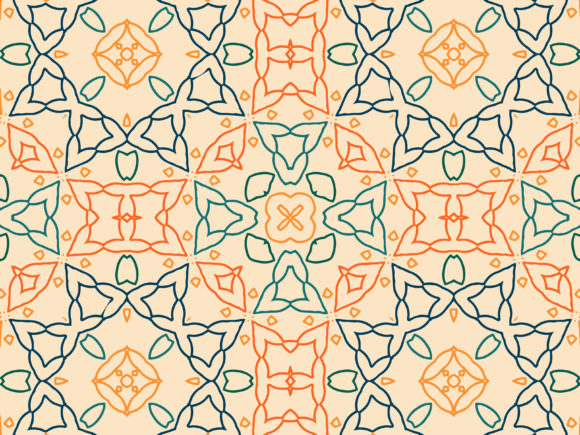
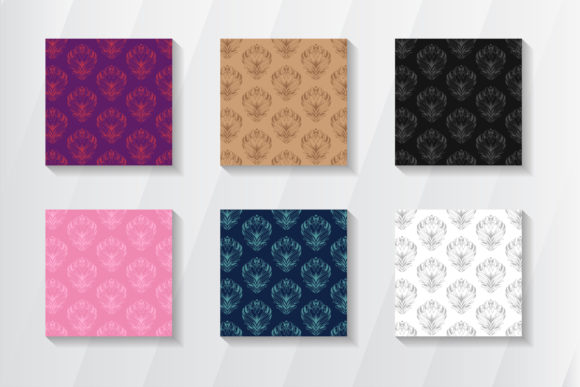
The Java Pattern Element is derived from the traditional Indonesian batik technique, which involves applying wax to fabric before dyeing it. This method creates distinct patterns that are both decorative and symbolic. The most recognizable elements include floral motifs, geometric shapes, and natural forms, all rendered in a variety of colors such as blue, brown, pink, and marble tones.
Batik has deep roots in Indonesian culture, serving not only as a form of artistic expression but also as a symbol of identity and heritage. Today, this ancient art form has found new life in digital formats, making it accessible to a global audience of designers and creators.
How Java Pattern Element Fits into Modern Graphic Workflows
Incorporating the Java Pattern Element into your design workflow can enhance the visual storytelling of your projects. Whether you're creating a brand identity, designing a website, or developing marketing materials, these patterns add a layer of authenticity and cultural richness.
Designers can use Java Pattern Elements as backgrounds, textures, or standalone illustrations. Their versatility allows them to be seamlessly integrated into various media types, including print, web, and digital advertising. When used effectively, they can elevate the overall aesthetic of a project while maintaining a strong connection to its cultural origins.
Pre-Project Integration: Planning with Java Pattern Elements
Before starting a project, consider how Java Pattern Elements might complement your design goals. Research the cultural significance of the patterns you plan to use and ensure they align with the message or theme of your project. This preparation helps avoid misinterpretation and ensures that the design feels respectful and intentional.
Additionally, explore different variations of Java Pattern Elements available in vector format. These high-quality resources are ideal for scalable designs, ensuring clarity and sharpness across all mediums. Many graphic design platforms offer extensive libraries of Java Pattern Elements, making it easy to find the perfect match for your needs.
During the Design Process: Utilizing Java Pattern Elements Effectively
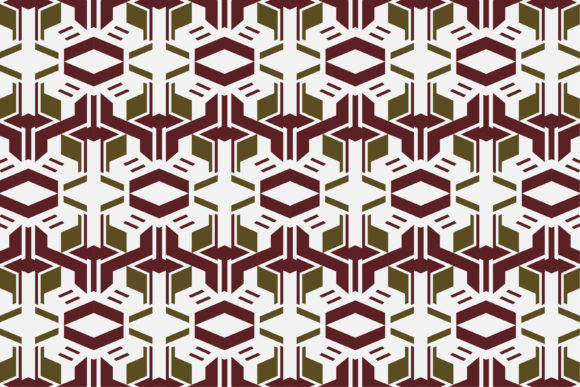
Once you've selected a Java Pattern Element, think about how it will interact with other design elements. Consider factors such as color contrast, scale, and placement. For instance, using a detailed floral pattern on a background can create a sense of movement and depth, while a simpler geometric motif may serve better as a subtle accent.
It's also important to maintain consistency in your design. If you're using multiple Java Pattern Elements in a single project, ensure they share a cohesive style and color palette. This approach prevents visual clutter and reinforces the intended message or mood of the design.
Post-Project Considerations: Ensuring Long-Term Use and Quality
After completing a project, evaluate how well the Java Pattern Elements contributed to the final outcome. Did they enhance the visual appeal without overshadowing other design elements? Were they appropriate for the target audience?
Consider feedback from stakeholders or end-users to refine your approach for future projects. Additionally, keep track of which Java Pattern Elements perform best in different contexts, helping you build a more effective design toolkit over time.
Practical Implementation Tips for Java Pattern Elements
To make the most of Java Pattern Elements in your work, follow these practical tips:
- Choose the Right Format: Opt for vector-based Java Pattern Elements when possible. Vector files maintain quality at any size, making them ideal for both print and digital use.
- Experiment with Color Schemes: While traditional batik uses specific color combinations, feel free to adapt them to fit modern aesthetics. Play with complementary colors to create visually striking designs.
- Combine with Other Design Assets: Java Pattern Elements work well alongside other design assets such as typography, icons, and photographs. Use them to create layered compositions that tell a story or convey a particular emotion.
- Use in Multiple Media Types: Java Pattern Elements can be used in a wide range of media, from websites and social media posts to packaging and branding materials. Experiment with different applications to discover new creative possibilities.
Integrating Java Pattern Elements into Your Workflow
Whether you're a professional designer or a hobbyist, integrating Java Pattern Elements into your workflow can bring a fresh perspective to your projects. Start by exploring online marketplaces that offer high-quality vector graphics, such as those featuring Indonesian batik patterns. These resources provide a wealth of options, from seamless textures to detailed illustrations.
Consider building a personal library of Java Pattern Elements that resonate with your style or the needs of your clients. Organize these resources by category, such as floral, geometric, or tribal, to streamline your selection process during design sessions.
Finally, don't hesitate to collaborate with other designers or cultural experts to deepen your understanding of the patterns you're using. This collaboration can lead to more meaningful and impactful designs that honor the traditions behind them.
By thoughtfully incorporating Java Pattern Elements into your design practice, you can create visually compelling work that bridges the gap between tradition and innovation. Embrace the beauty and complexity of these patterns, and let them inspire your next creative endeavor.