Mandala 52: A Versatile Design Element for Creatives and Businesses
Mandala 52 is more than just an artistic design—it's a symbol of balance, harmony, and creativity. This intricate pattern has been used for centuries in spiritual practices, but today it's also a powerful tool for branding, decoration, and personal expression. Whether you're looking to enhance your visual identity or create something unique for your space, Mandala 52 offers endless possibilities. However, there are some key considerations that can make all the difference in how effectively you use this design.
Understanding the Mandala 52 Logotype Bundle
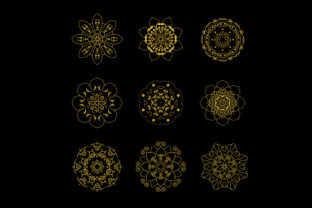
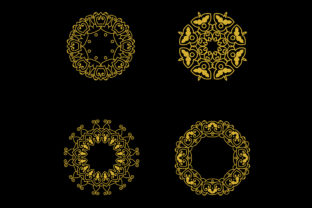
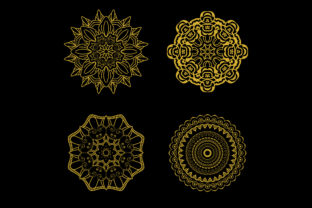
The Mandala 52 logotype bundle includes a specially designed gold-colored icon vector that can be used as a logo, decorative element, or part of a larger design. What makes this bundle stand out is its versatility. You can apply it to a wide range of items such as prayer rugs, carpets, glassware, scarves, handkerchiefs, plates, company logos, wall decorations, and more. This adaptability means you’re not limited by a single application—instead, you can tailor the design to suit your needs.
One common mistake people make is assuming that the gold color is the only option available. While gold is a classic and elegant choice, the Mandala 52 bundle also includes other color variations. Failing to explore these options might limit your creative potential and prevent you from finding the perfect match for your project.
Common Mistakes When Using Mandala 52
Many users overlook the importance of selecting the right color palette for their specific use case. For instance, using gold on a dark background may reduce visibility, while a pastel version might not convey the same level of sophistication. It’s essential to consider the context in which the mandala will be used and how different colors interact with that environment.
Another frequent error is not ensuring the quality of the design files. Since Mandala 52 is provided as a vector file, it should maintain clarity at any size. However, if you're downloading or purchasing the design from an unverified source, you risk getting low-resolution images or corrupted files. Always verify that the source is reliable and that the files are in high-quality vector format.
A third mistake is not considering the cultural significance of mandalas. While they are widely appreciated for their aesthetic appeal, they also carry deep spiritual meaning in many traditions. Misusing them without understanding their symbolism could lead to unintended misinterpretations or even offense in certain contexts.
How to Choose the Right Mandala 52 Design
To avoid these pitfalls, start by clearly defining your purpose. Are you using Mandala 52 for branding? Decoration? Or personal use? Each scenario requires a different approach. For example, if you're creating a company logo, you’ll want a design that reflects professionalism and brand values. On the other hand, if you're making a decorative piece, you have more freedom to experiment with colors and layouts.
Before finalizing your choice, check the resolution and format of the files. Vector formats like SVG or EPS are ideal because they scale without losing quality. Avoid raster images (like PNG or JPEG) unless you’re certain they’ll be used at a fixed size.
Also, consider the compatibility of the design with your intended medium. If you plan to print the mandala on fabric, ensure that the design has the appropriate density and spacing to work well with textile printing techniques. Similarly, if you're applying it to glass or ceramics, the design should be suitable for those surfaces.
Maximizing the Use of Mandala 52
To get the most out of Mandala 52, think beyond the basics. You can combine it with other patterns or incorporate it into larger compositions. For instance, using Mandala 52 as a central motif in a wallpaper design can add depth and interest to a room. Alternatively, integrating it into a scarf or handkerchief can give it a unique, artistic touch.
Don’t forget to explore the various color options. While gold is a popular choice, experimenting with complementary colors can yield stunning results. Try pairing it with earthy tones for a natural feel or vibrant hues for a bold statement.
If you're using Mandala 52 for commercial purposes, make sure you understand the licensing terms. Some designs come with restrictions on how they can be used, so it’s crucial to read the fine print before proceeding.
Conclusion
Mandala 52 is a powerful and versatile design that can elevate your projects, whether you're a designer, entrepreneur, or hobbyist. By avoiding common mistakes and choosing the right approach, you can ensure that your use of Mandala 52 is both effective and meaningful. Always take the time to evaluate your needs, check the quality of the design, and consider the context in which it will be used. With the right mindset and preparation, Mandala 52 can become a valuable asset in your creative toolkit.