Mandala Vector Flower Pattern: A Versatile Design for Creativity and Calm
The Mandala Vector Flower Pattern is a unique design asset that combines the intricate symmetry of mandalas with the organic beauty of floral forms. This pattern, often found in digital art libraries and vector graphic resources, offers a compelling blend of aesthetics and functionality. It's not just a decorative element—it’s a tool that can enhance creative projects, support mindfulness practices, and serve as a visual anchor in branding or educational materials.
Understanding the Mandala Vector Flower Pattern
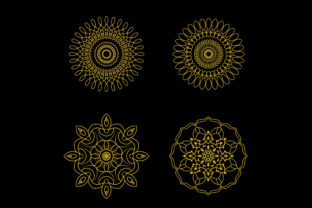
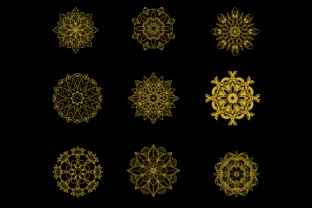
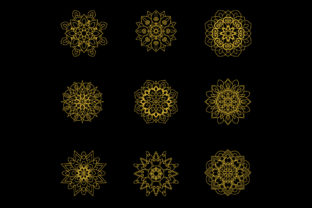
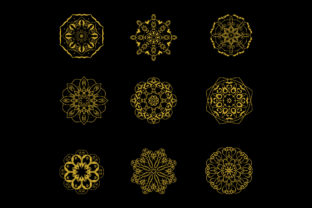
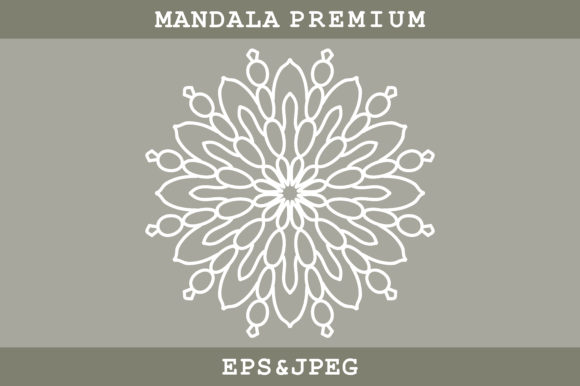
At its core, the Mandala Vector Flower Pattern is a stylized representation of a flower, rendered in a circular, symmetrical format typical of mandalas. These patterns are usually created using vector graphics software, which allows for scalability without loss of quality. The combination of mandala geometry and floral motifs makes this pattern particularly versatile, suitable for both digital and print applications.
What sets this pattern apart is its ability to merge cultural symbolism with modern design principles. Mandalas have long been associated with spiritual growth, meditation, and balance, while floral elements evoke themes of nature, renewal, and beauty. Together, they form a design that resonates on multiple levels—visual, emotional, and symbolic.
Key Characteristics and Practical Value
The Mandala Vector Flower Pattern is defined by several key characteristics that make it a valuable resource:
- Symmetry and Repetition: The pattern is built around radial symmetry, creating a sense of harmony and order. This feature is especially useful for designs that require visual balance.
- Scalability: As a vector-based design, it maintains clarity at any size, making it ideal for use in logos, web graphics, or large-format prints.
- Cultural and Spiritual Resonance: The mandala aspect brings an element of mindfulness and calm, which aligns well with anti-stress therapy practices and wellness-focused content.
- Decorative Flexibility: Whether used as a background, border, or standalone graphic, the pattern adapts easily to different contexts and media.
This versatility means that the Mandala Vector Flower Pattern can be applied across various industries—from yoga studios and wellness centers to publishing and marketing. Its aesthetic appeal also makes it a popular choice for coloring books, where it serves as a meditative and therapeutic activity.
Who Benefits from Using Mandala Vector Flower Pattern?
Professionals in creative fields such as graphic design, illustration, and branding will find the Mandala Vector Flower Pattern particularly useful. Educators and publishers may incorporate it into teaching materials or children’s books to foster creativity and focus. Entrepreneurs and small business owners can use it to create cohesive branding elements, such as logos or packaging designs, that reflect a sense of tranquility and elegance.
For individuals interested in mindfulness and stress relief, the pattern is more than just a visual element—it’s a tool for relaxation. Coloring books featuring Mandala Vector Flower Patterns are increasingly popular among adults seeking a way to unwind after a busy day. These activities promote concentration, reduce anxiety, and encourage a deeper connection with the present moment.
Real-World Applications and Performance
In practical terms, the Mandala Vector Flower Pattern performs exceptionally well in a variety of settings. For instance, when used in a yoga logo, it reinforces the brand’s association with peace and balance. In a coloring book, it provides a visually engaging challenge that appeals to both beginners and experienced artists.
However, its effectiveness depends on how it is implemented. Poorly executed versions of the pattern—those lacking in detail or consistency—may appear generic or unrefined. High-quality vector files, on the other hand, offer crisp lines and precise shapes, ensuring that the design remains impactful across different platforms and mediums.
Designers should also consider the context in which the pattern is used. While it works beautifully in minimalist or meditative environments, it may need to be simplified or layered with other elements in more complex compositions.
Strengths and Limitations
The Mandala Vector Flower Pattern has several strengths that make it a compelling choice for many designers and creators:
- Visual Appeal: The combination of floral and geometric elements creates a striking and memorable design.
- Adaptability: It can be modified, combined with other elements, or used as-is, offering a high degree of flexibility.
- Emotional Impact: The pattern promotes a sense of calm and focus, which is especially beneficial in wellness-related contexts.
Despite these advantages, there are some limitations to consider. For example, the pattern may not be suitable for every design project. In highly technical or data-driven environments, it could be seen as too decorative or out of place. Additionally, while it is excellent for coloring books, it may not provide enough visual interest for more dynamic or fast-paced content.
Practical Recommendations and Observations
If you're considering using the Mandala Vector Flower Pattern in your work, here are a few recommendations:
- Choose High-Quality Files: Ensure that the vector file is clean, scalable, and free of unnecessary complexity. This will help maintain its visual integrity across different uses.
- Experiment with Color Schemes: The pattern can be adapted to fit various color palettes, making it suitable for different themes and audiences.
- Pair with Complementary Elements: Use the pattern alongside other design elements—such as text, icons, or textures—to create a more dynamic composition.
- Consider Cultural Context: Be mindful of the cultural significance of mandalas and ensure that their use aligns with the intended message or purpose of your project.
From a professional standpoint, I've observed that the Mandala Vector Flower Pattern is most effective when used intentionally. It works best in projects where the goal is to evoke calm, inspire creativity, or reinforce a sense of balance. However, it should not be overused or forced into contexts where it doesn’t naturally fit.
Ultimately, whether the Mandala Vector Flower Pattern is right for you depends on your specific needs, goals, and creative vision. If you're looking for a design that combines beauty, meaning, and practicality, it’s definitely worth exploring. Just remember to use it thoughtfully and with purpose.